I've been meaning to write this for a while.
The first mistake is to assume that carving is a kind of alphabet — a set of symbols you can read like the letters of a foreign language.
It isn't. Carving is more complicated: the same symbol can mean many things, or it can mean nothing at all.
To understand this, imagine a circle drawn on a sheet of paper in front of you and you are trying to figure out the meaning of this message.
What is it? The sun? A pagan symbol of fire? A line without beginning or end — and thus a symbol of infinity? A circle? The letter "O"? Or maybe zero? You run through the options, settle on something — and then someone tells you it was drawn by a one-year-old child. Whatever he meant, we'll never know. It's often the same with carving: the most important thing — whether the carver meant what we assume — we simply don't know.
The second mistake is to find an indisputable meaning in one carving element (say, by asking the carver directly) and then apply that knowledge to a different nalichnik.
To understand why the same carving element can mean different things in different places, consider the size of our country — and consider how (and why) a Karelian carver in 1880 could have shared his ideas with colleagues from Bashkiria or Yakutia. And left no written record of it.
It's simply inconceivable. So each carver absorbed only his own visual experience and translated it into wood in his own way. Everyone was free to put meaning into the carving — or not.
Taken together, these two points lead fairly simply to one conclusion: if we don't know the meaning a particular carver embedded in his work, there's no point in guessing. The guesses will almost certainly be wrong, because we know nothing about the carver. When did he live, where did he travel, what did he see, who was he, what did he believe, what did he know, who did he talk to...
Without that knowledge, what can we say about the circle he drew? The five-pointed star? The flower?
Nothing, really.
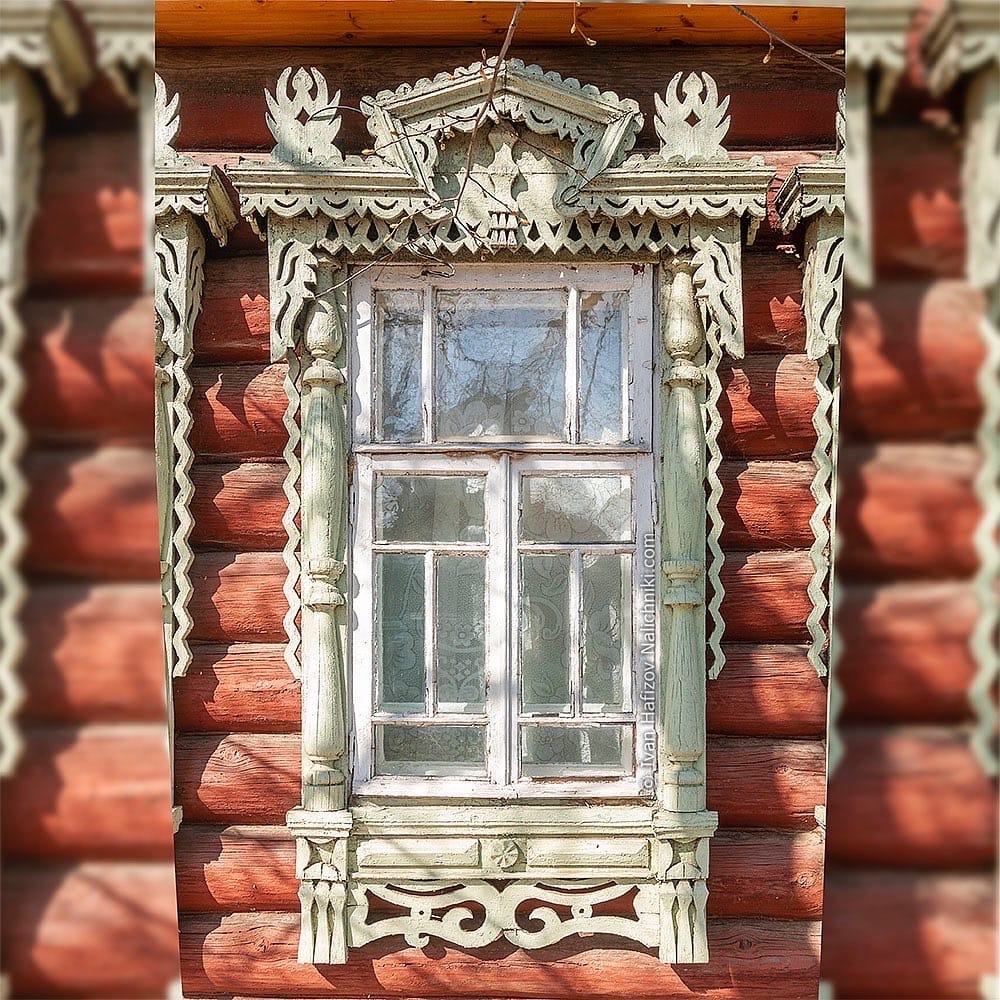
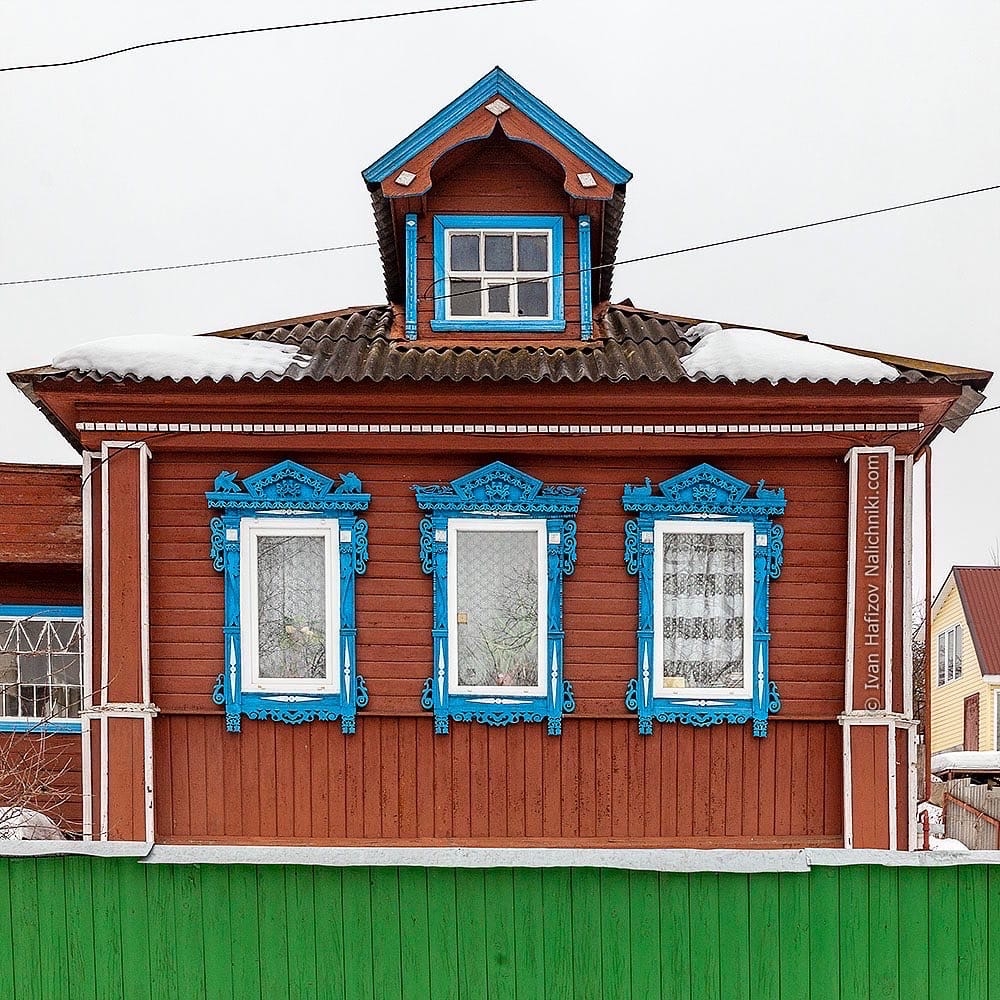
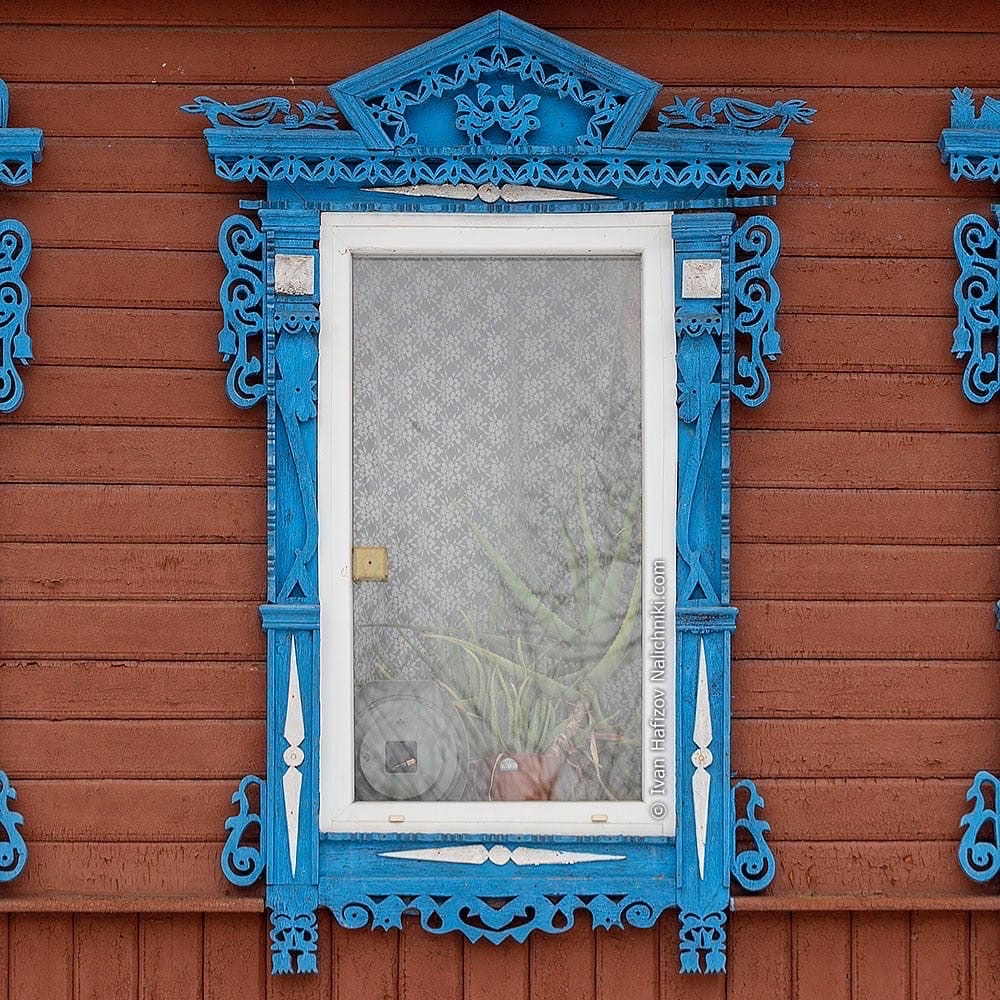
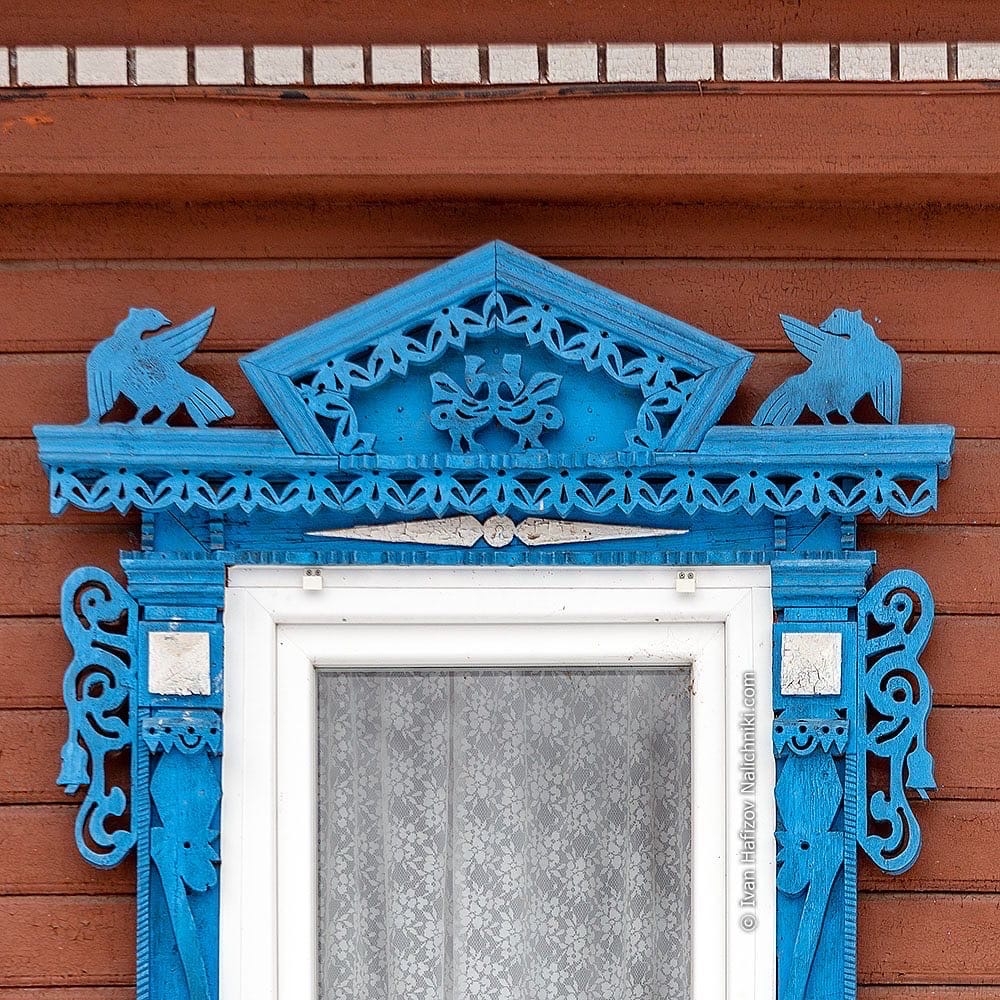
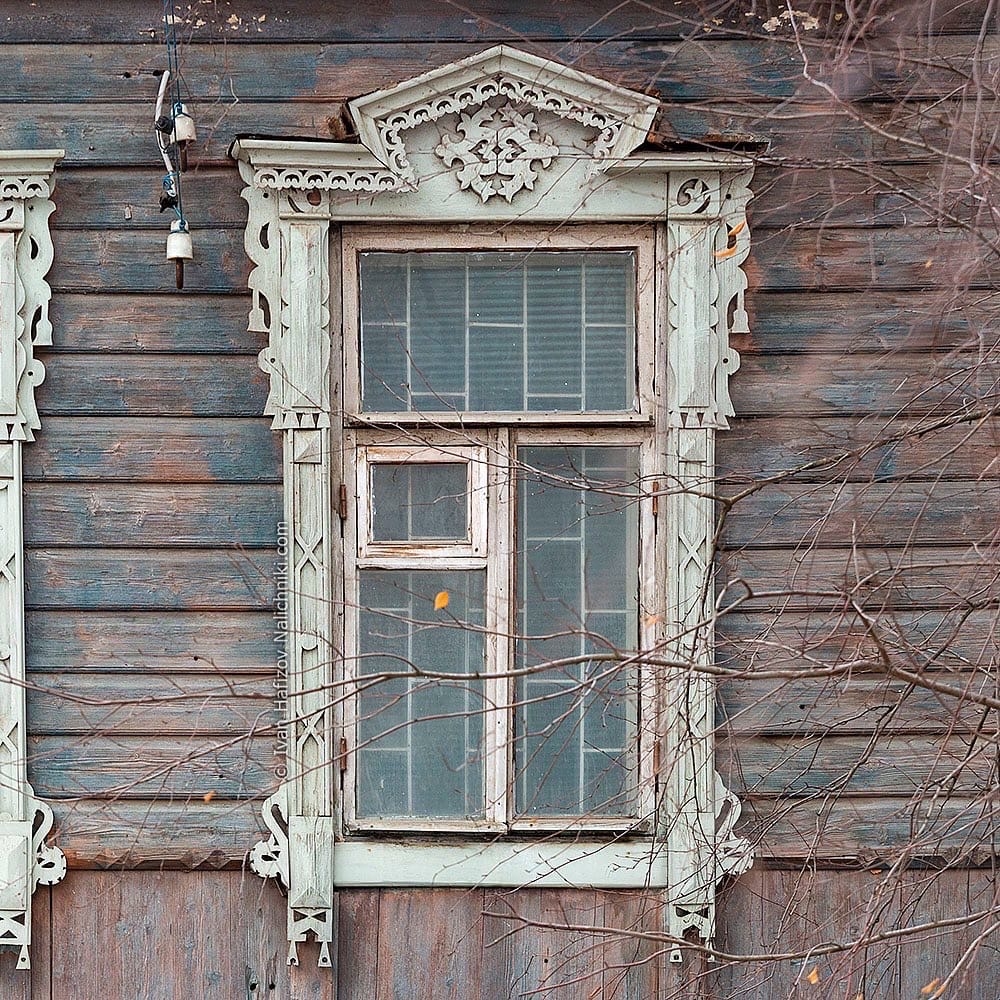
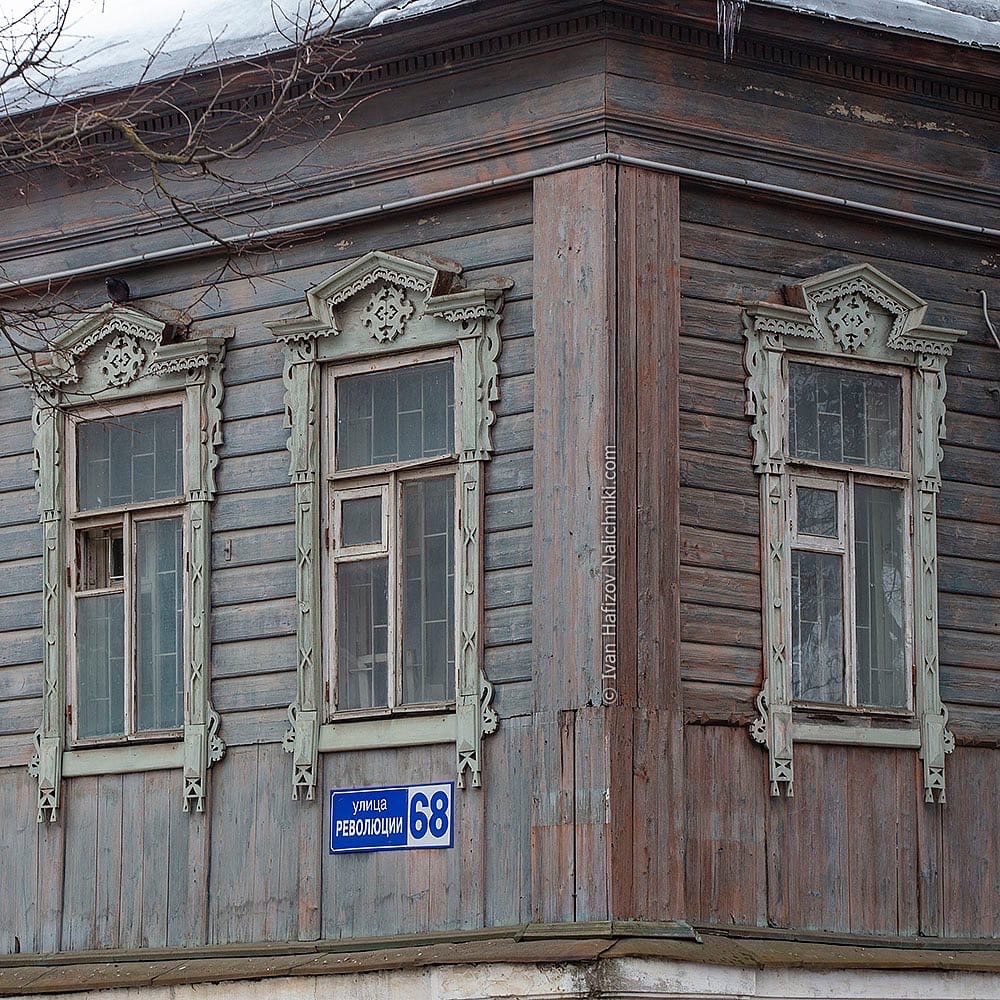
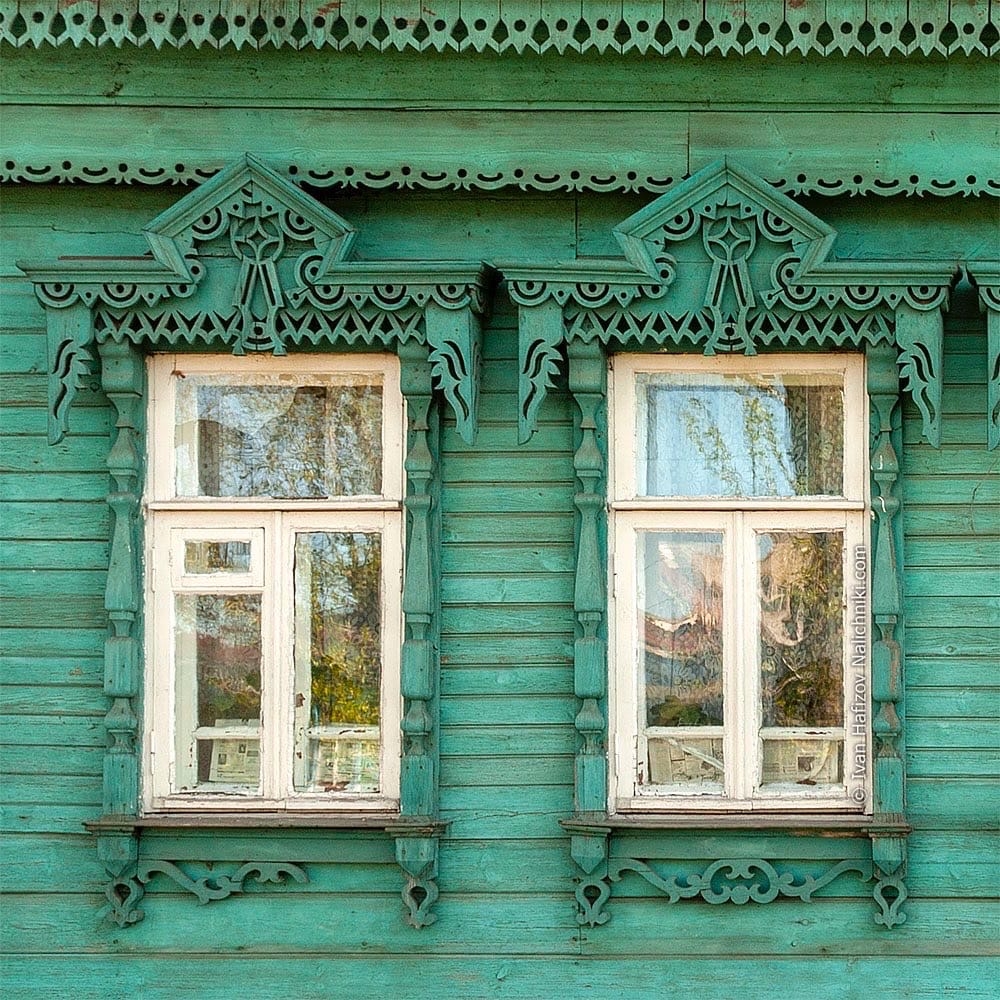
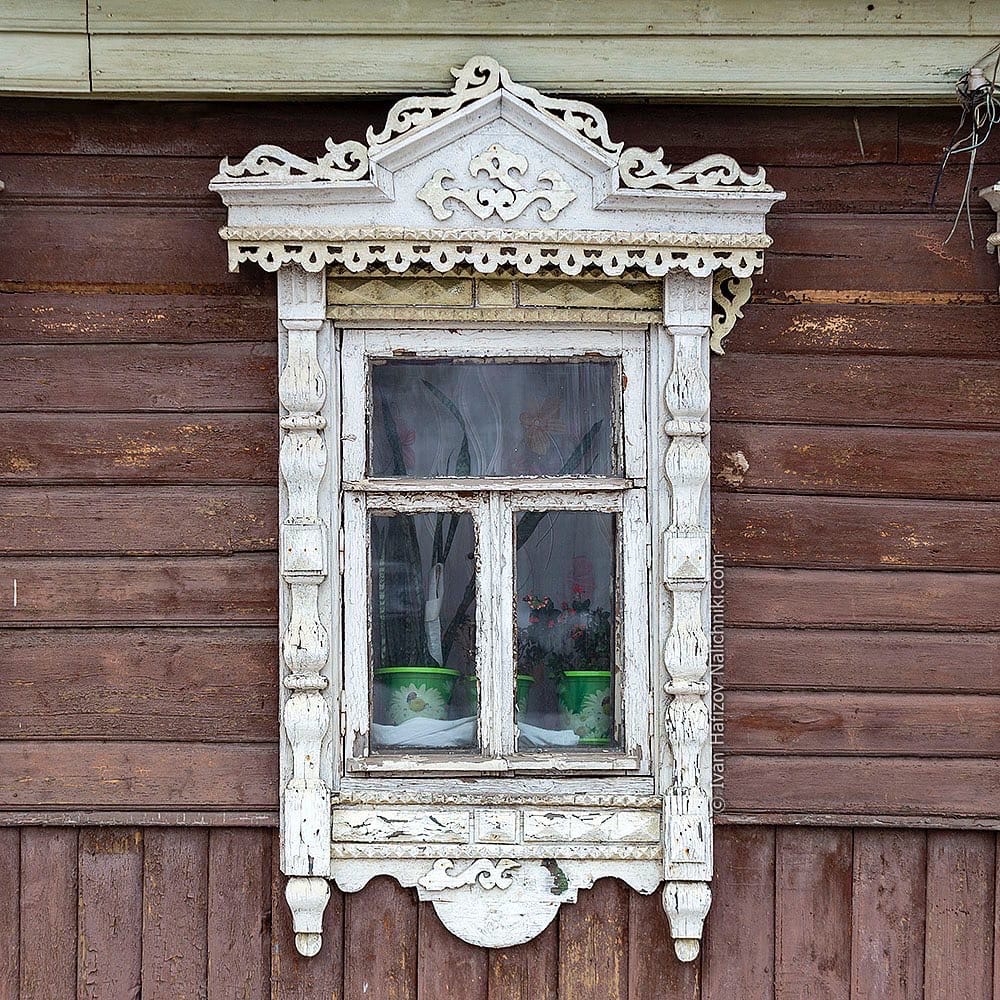
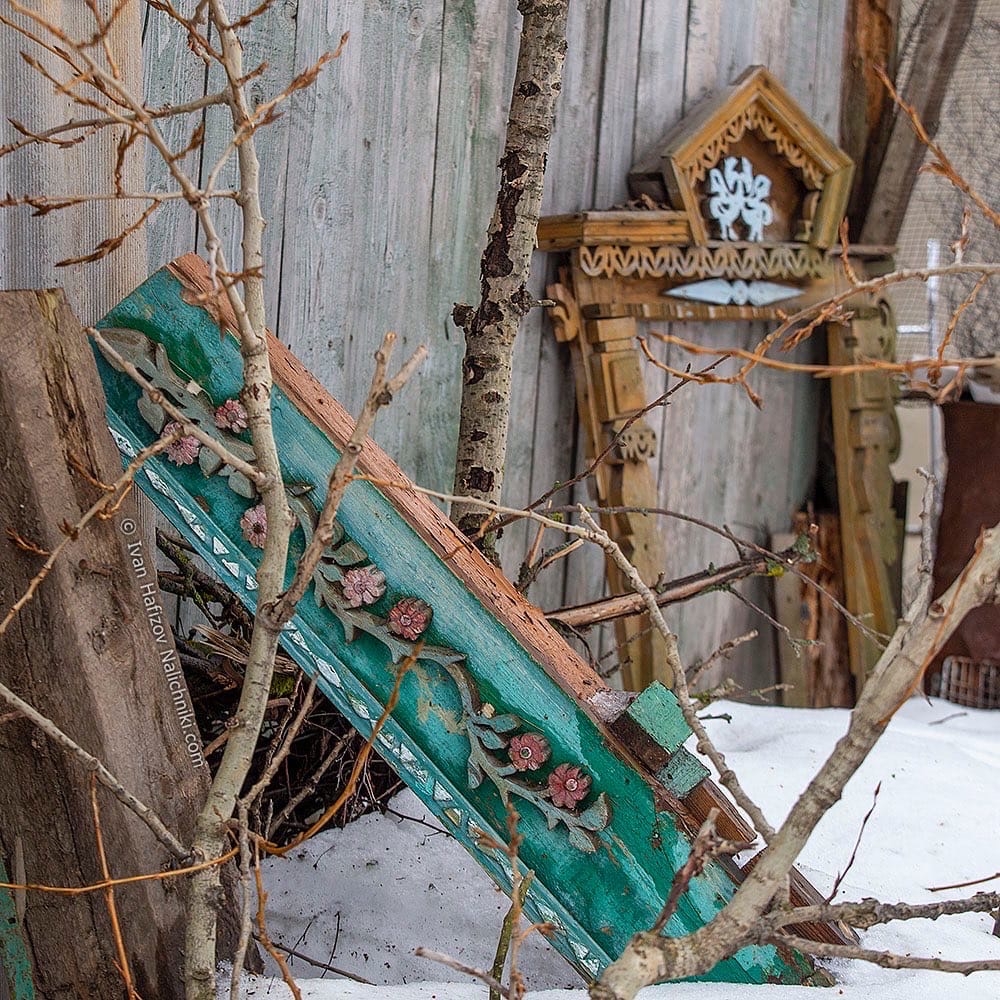
PS The photos show a particular type of nalichnik I've encountered only in the Vladimir region — examples here from Kovrov and Alexandrov.