...A perfect memory. Word for word. But I only have scraps.
The house was big, I remember. An old woman.
— Was there bombing here during the war? The house seems old — pre-revolutionary...
The grandmother was as transparent as a petal, her eyes somewhere far away, her voice as quiet as the wind:
— What's that, dear? I've gotten old, I don't hear so well...
— Was there bombing here during the war? — I try to speak louder. — They say your street is the only one that's left.
— In the war? They bombed... they bombed everywhere, dear. I buried two little ones here... There was a tree here, near it, and... here...
She sighs softly.
I'm afraid to ask, so I switch to something else. Small things, ordinary — I can't remember now. She gradually opens up. Her speech is unusual, unhurried, somehow smooth — not what you'd expect at her age, though she seems to be in her nineties.
She told me that someone had built the house — his name was lost — but he had a stern disposition, noble blood, and the old people remembered: he dressed like a dandy and walked with a swagger. He liked to bawl at the workmen, said "Oh, damn!" and took it upon himself to fix whatever they were doing, whether fence, roof, or anything else. He took on everything. And then he disappeared. And later, some researchers came — historians, or something like that, or maybe people from the KGB (I remember she said this with no particular emphasis, as if the KGB were just some department at the folklore institute), and they put together a portrait from the descriptions and said it was almost certainly Emperor Alexander — though no one here believed it. The only strange thing was that all the documents for the house, all the records, had been destroyed — seemingly not by chance — and that it was for him that the underground part of this house had allegedly been built: a basement where the partisans of none other than Kabardin himself hid all winter, around two hundred people in the detachment, so you can imagine what kind of basement it was. One entrance in this house, and a second exit across the river under the monastery wall — nobody knows where exactly — but when he was a boy the owner of the house, her husband, crawled into that hole — it was narrow, and the elders were shouting at him not to — and they found a skeleton in there in a German uniform but with a 1973 newspaper. And Katerina was from the last house, the one whose husband had died in the war, and she had been feeding the German out of pity for twenty years. She had six children, all small during the war, and then they all went to universities — not the local ones, but Moscow, Moscow... And Katerina had been "a firecracker before the war" but she let no one into the house except the children, and then they wrote her off as having been dying for her husband for twenty years... And she had a stroke in '73. There he was, the German, and he died in that basement: the second exit had been destroyed during the war, and she had worked at the post office — in this house they had immediately set up the village council and the post office, and the club on the first floor — so she, working night shifts at the post office in this very building, had just gone in. Then the police came, of course, but whether they were lying or telling the truth, they said they found nothing. Though all the boys had crawled into that hole — no secret there, everyone had been down...
And now she's telling me all this, and we're standing outside her house — I can't even remember what it looked like anymore — and she's talking quietly, talking and talking, drawing me down into this dark well of memory.
She says her father was from an old German family, but they'd changed the name long ago — a couple of letters — so you couldn't dig into it, and they had been almost unafraid. It was a tradition in their family to name the third daughter Maria, after some great-great-great-grandmother Maria. When the Germans came, it turned out her mother spoke German. When there were only two children left and the youngest was starting to starve, she was almost glad — the eldest would get more to eat. The porch had sagged and the steps needed replacing, the old ones completely rotten; the attic was drafty and the roof needed fixing, her grandson had promised to come in August but she understood everything. Her husband, when he came back from the war, had lifted Maruska up high — and that was the happiest moment of her life.
There was something else... that the snow would be here completely soon... for the cold weather the barn needed to be straightened or it would collapse under the snow over winter... and surely something else... ten years have washed it all away from me... I can't remember now... memory is like sand on a beach: a couple of waves and that's all, that's all...
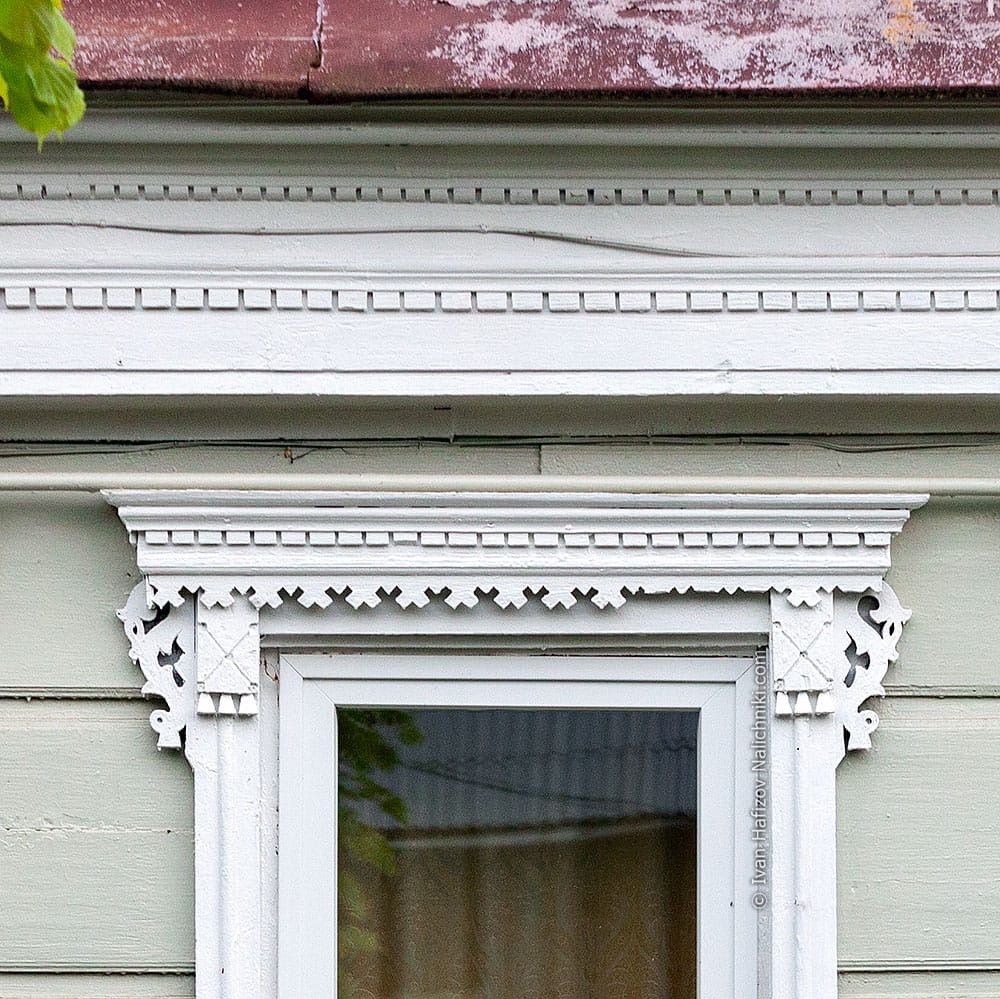
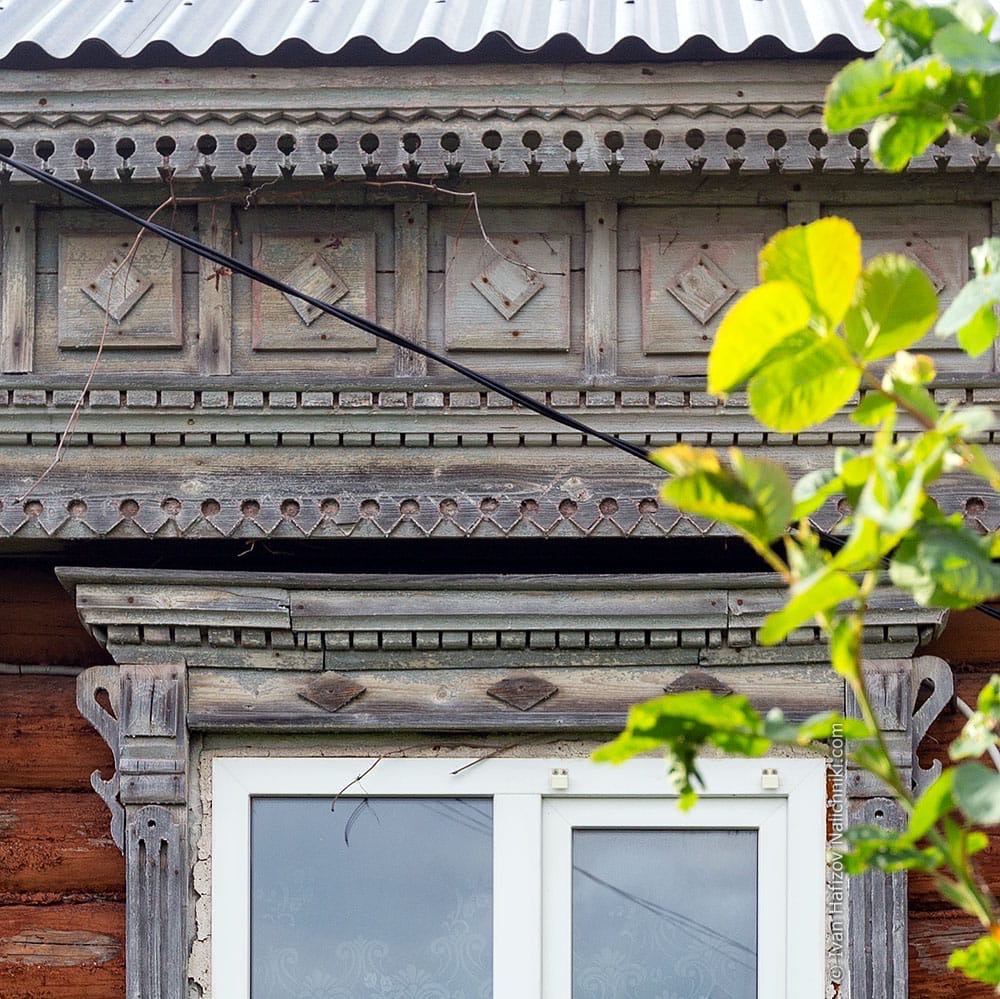
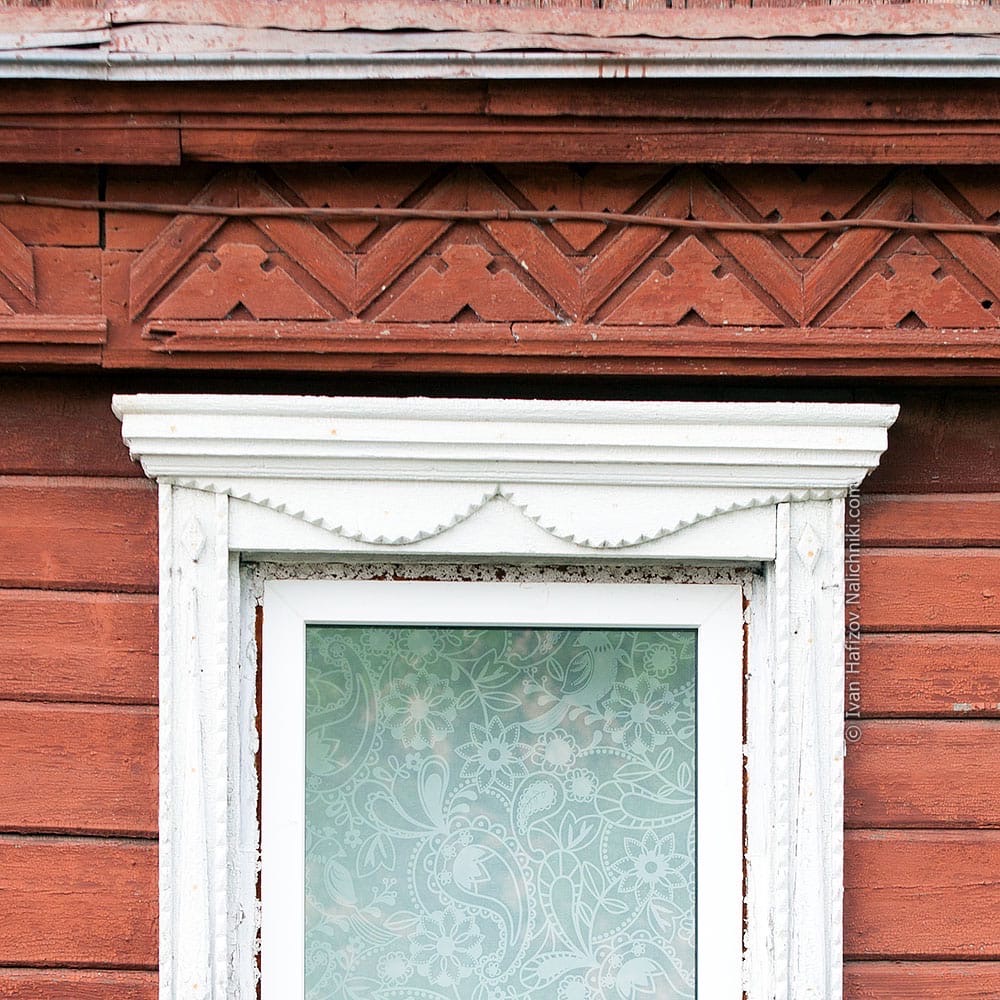
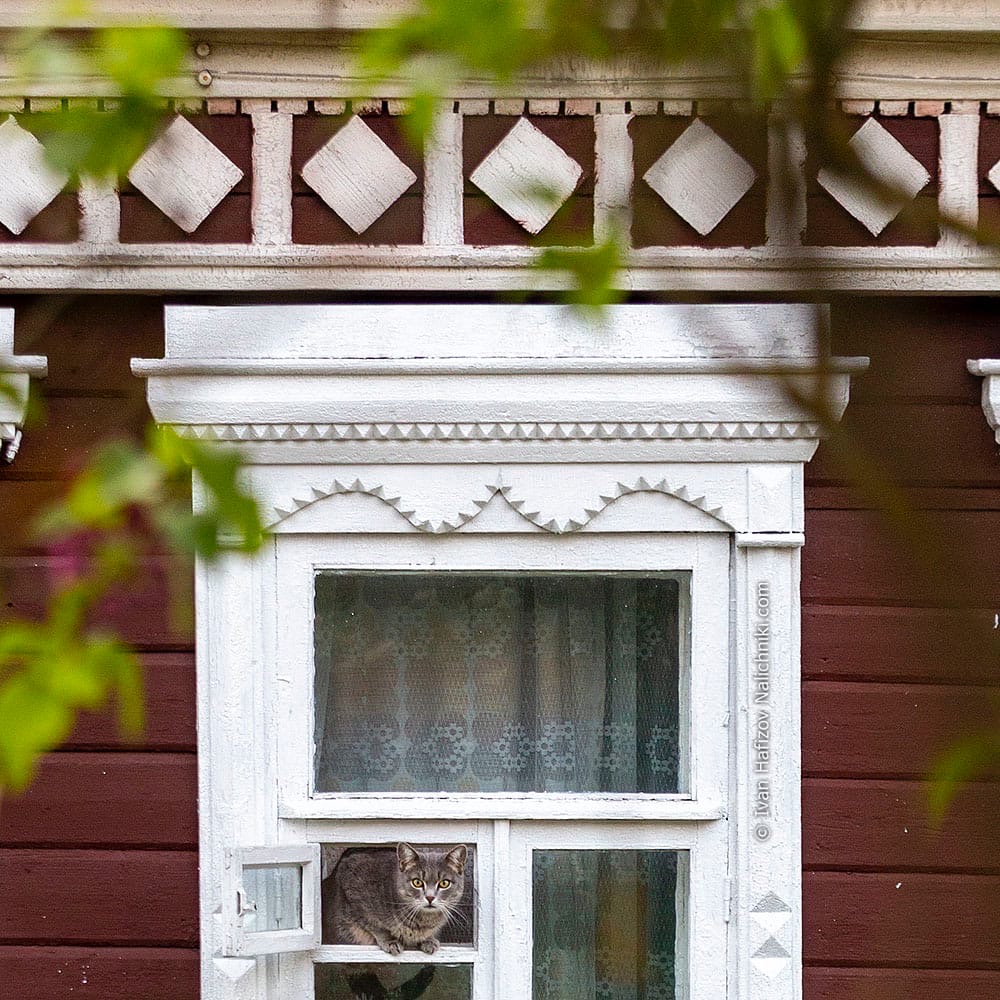
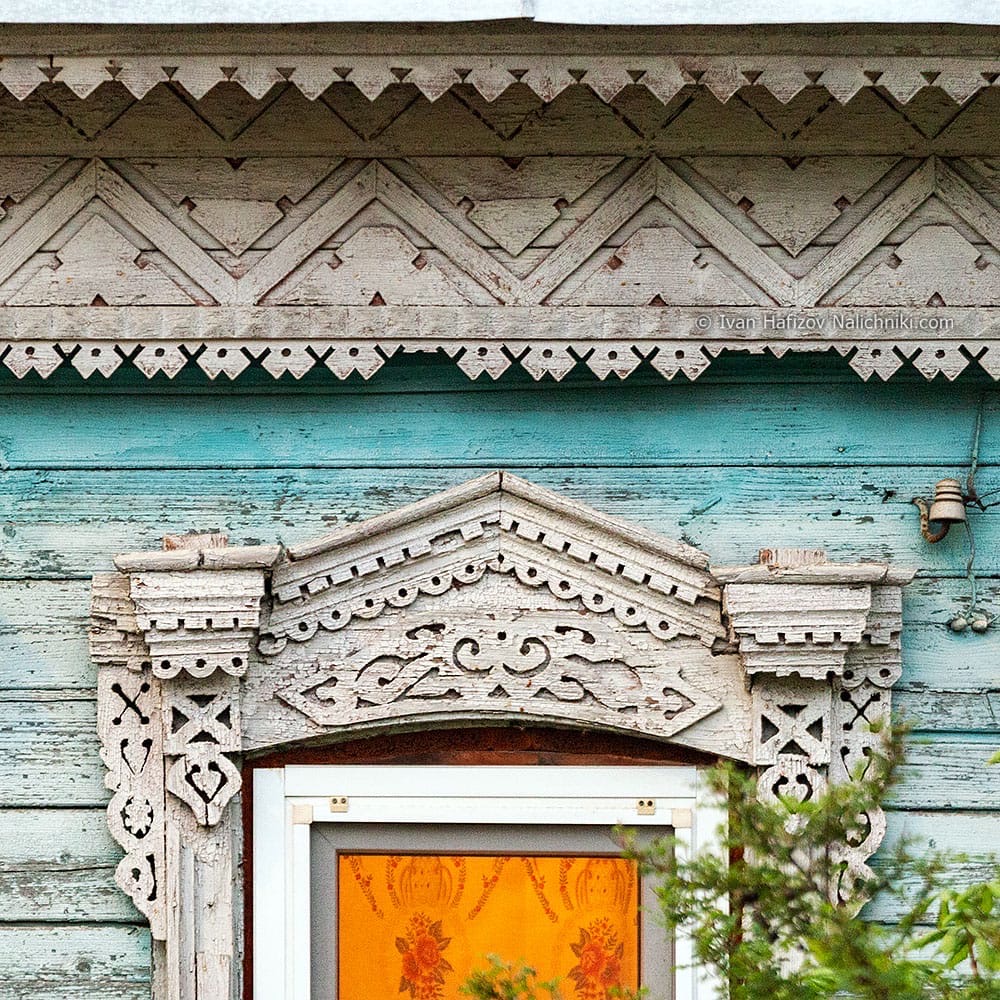
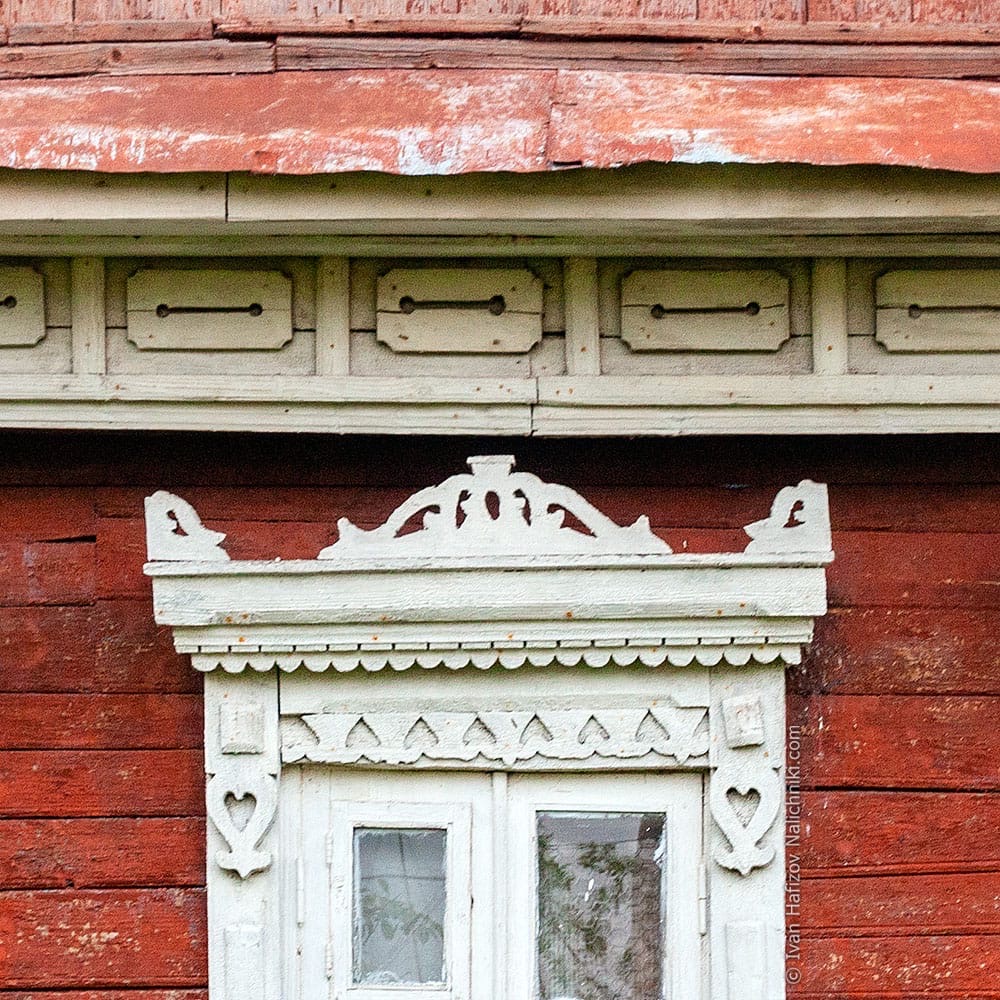
PS The photos show the unusual carved frieze boards from Ruza, Moscow Oblast.
PS2
The new calendar (link in the profile header) has already collected 432% and is closing in on a million!
Join us, friends!