...As a teenager — fifteen or twenty, not a child exactly — I loved going to the Gorbushka, the big music market where the stalls stood cheek by jowl, each blasting its own sound. Just pushing through the crowd, you'd drift from one cloud of music to the next. The combinations were unimaginable: rock alternative at the entrance, then you'd stumble into quiet lounge, then folk singers, then some wild rhythm, and then suddenly, somewhere between Butusov and Utesov, the Beatles and Venya Drkin appeared out of nowhere. No logic, but every time the sound shifted, everything shifted with it: your gait, your speed, the faces around you, your mood. Nowhere else could you feel it so clearly...
Maybe that's when I first understood that in a kaleidoscope of contrasts, each fragment "works" better than in a seamless whole where everything connects to everything else.
And more than that — the kaleidoscope turns out to be the perfect picture of how everything actually is connected to everything. It takes longer to grasp, but the understanding goes deeper and wider.
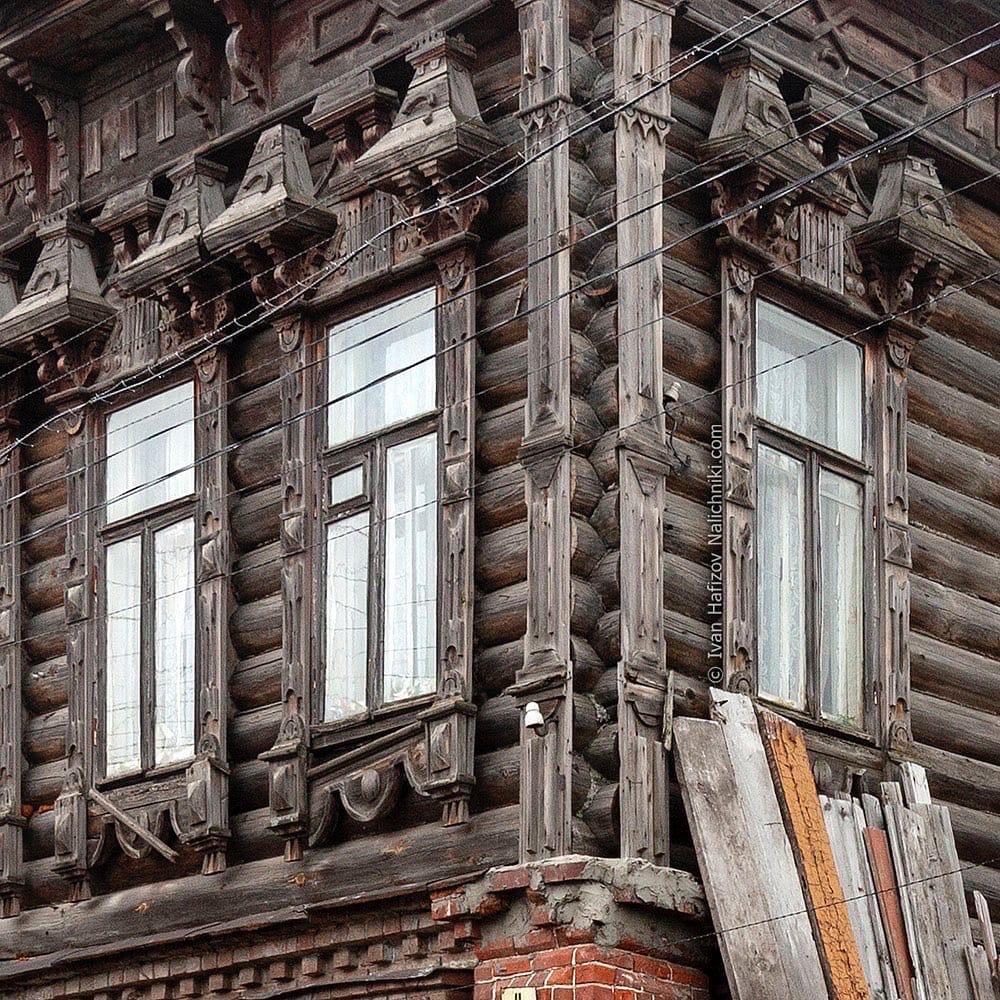
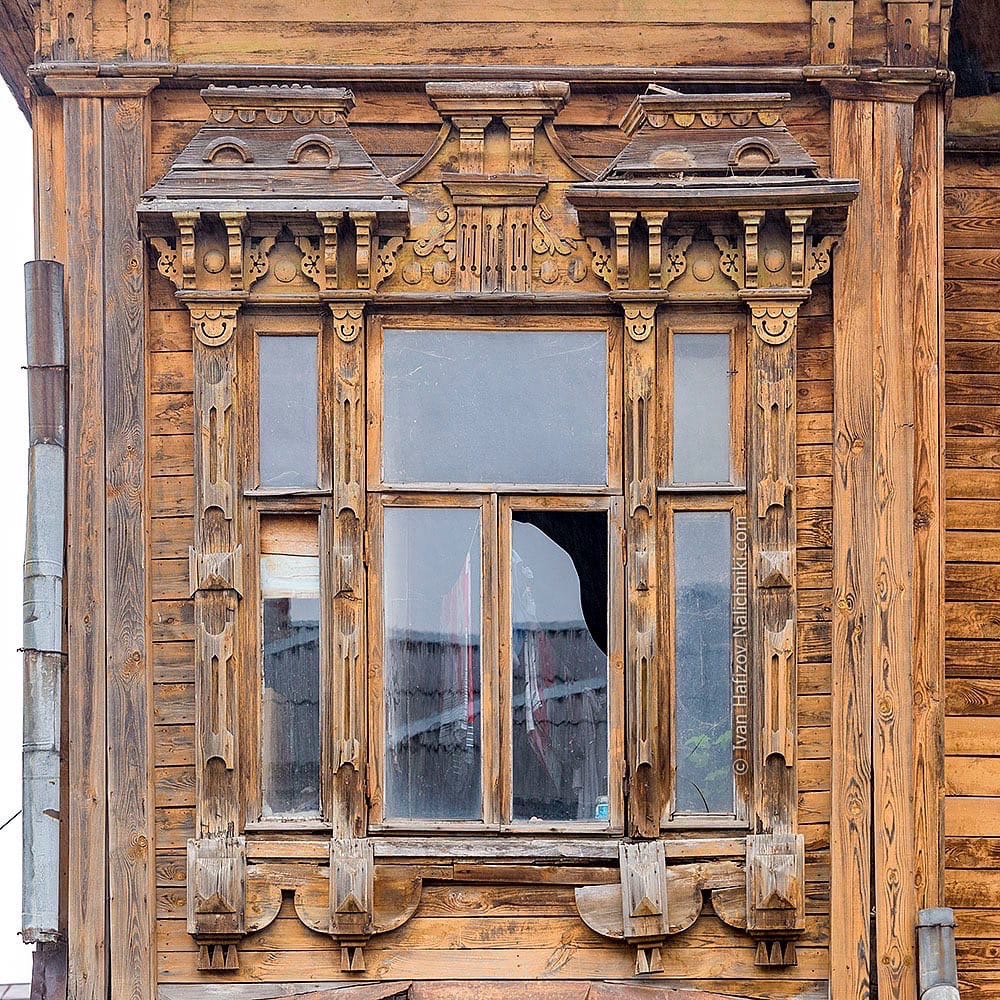
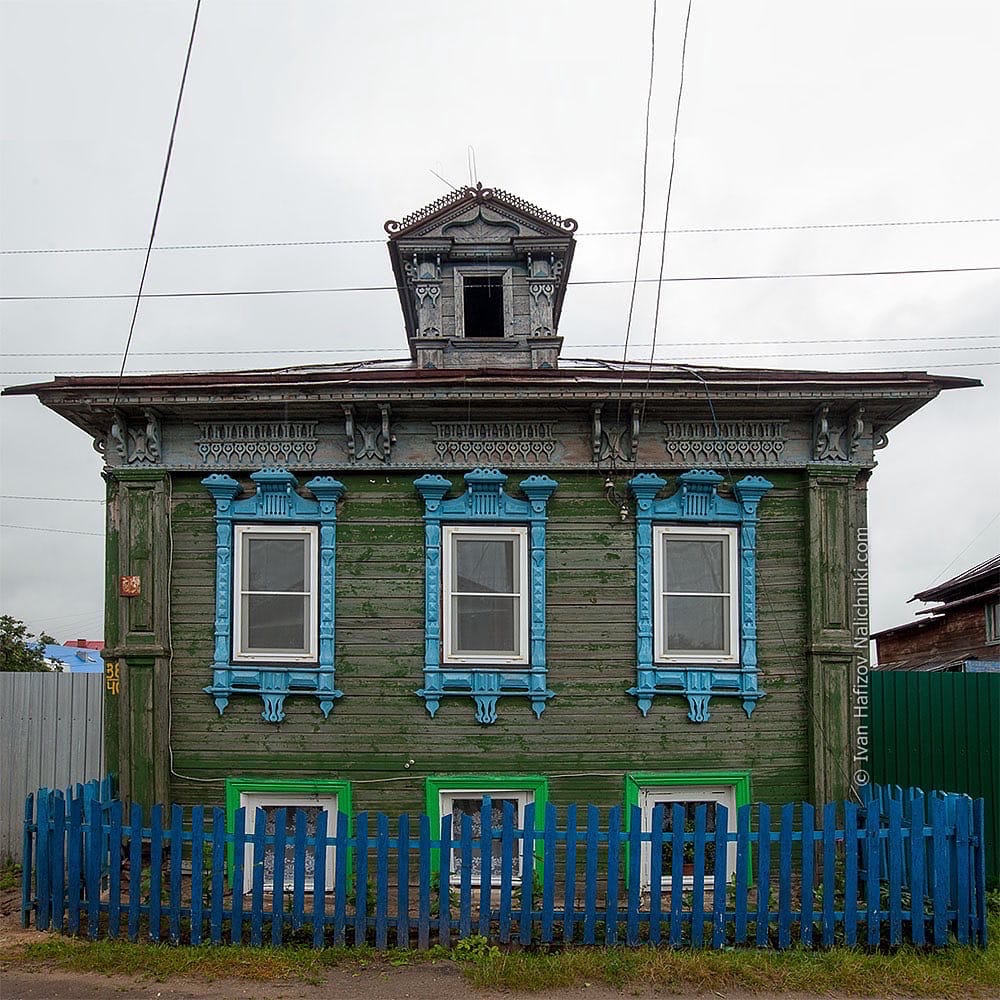
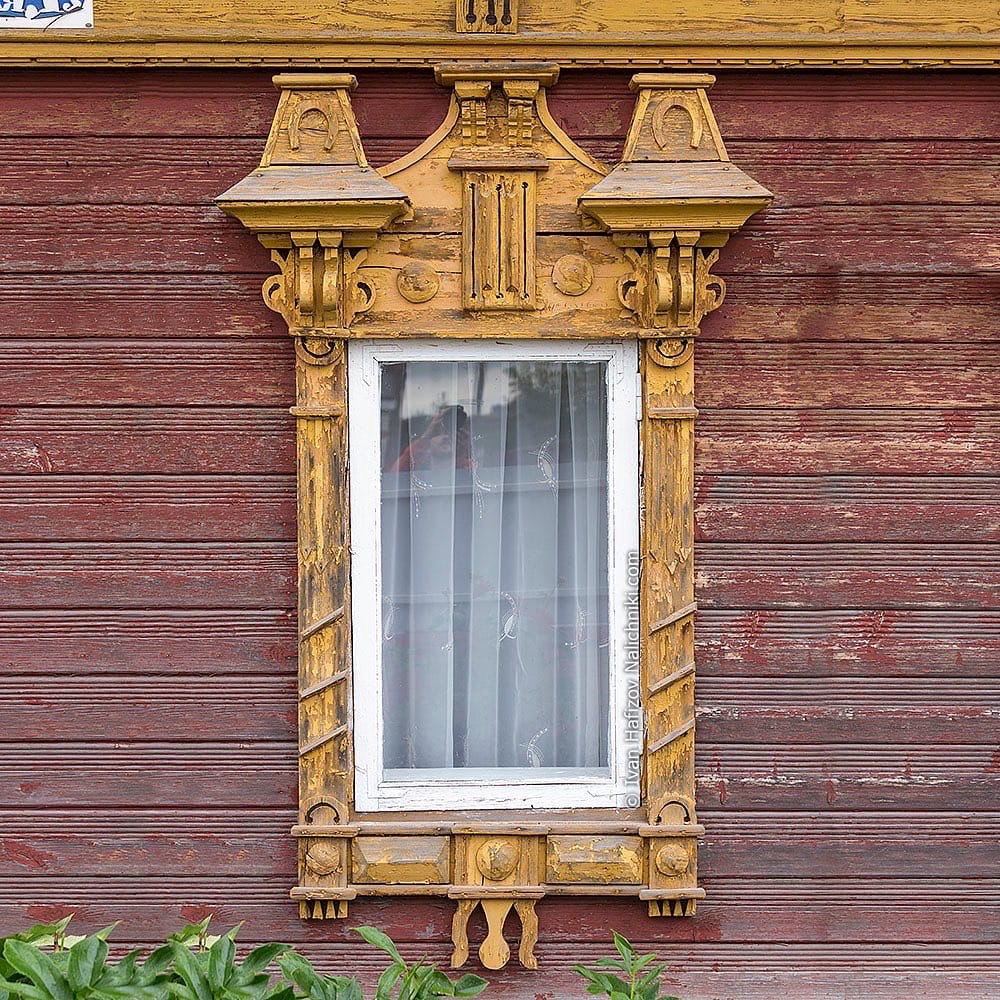
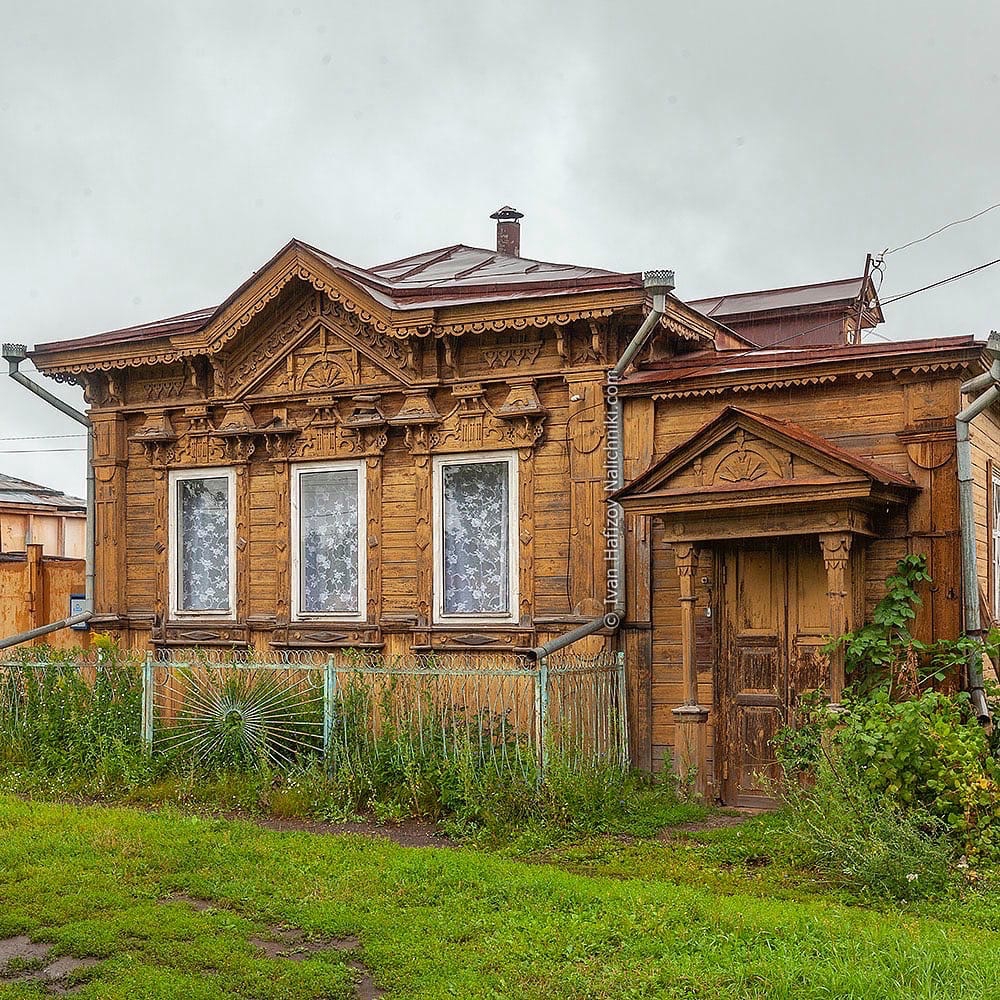
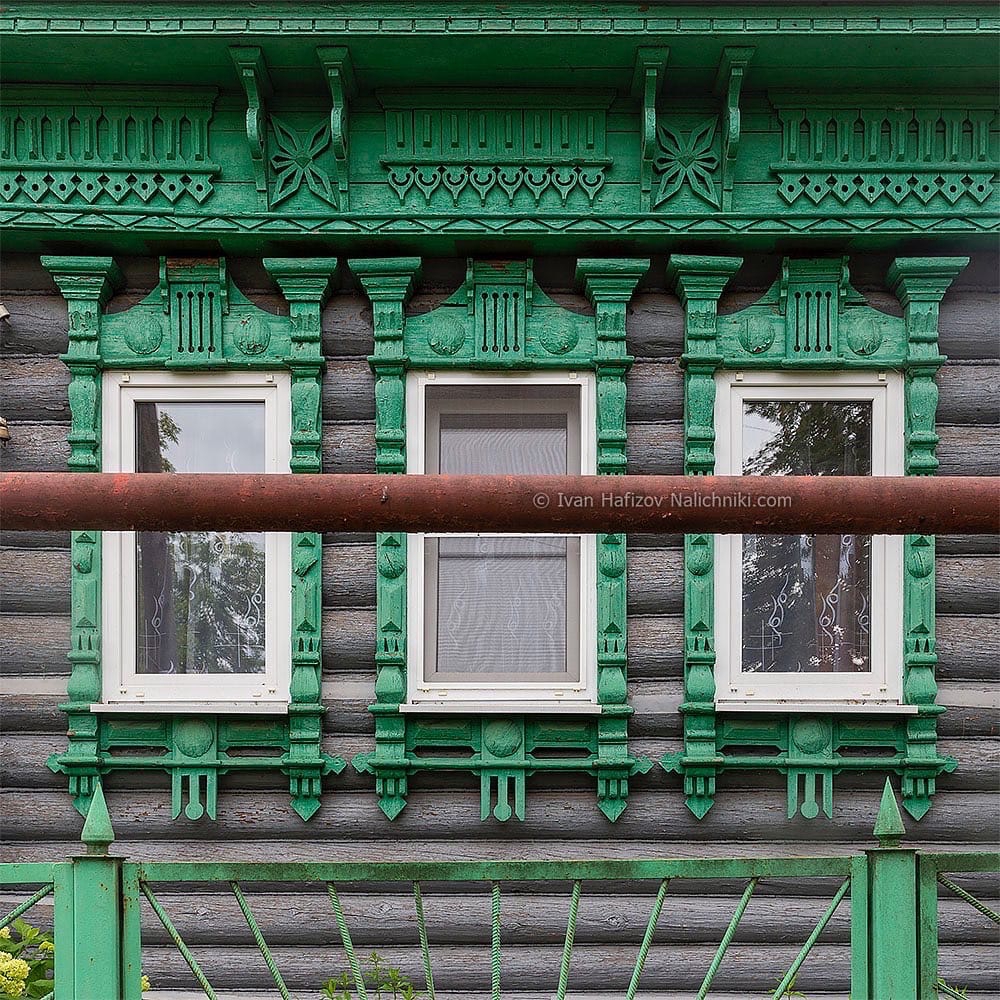
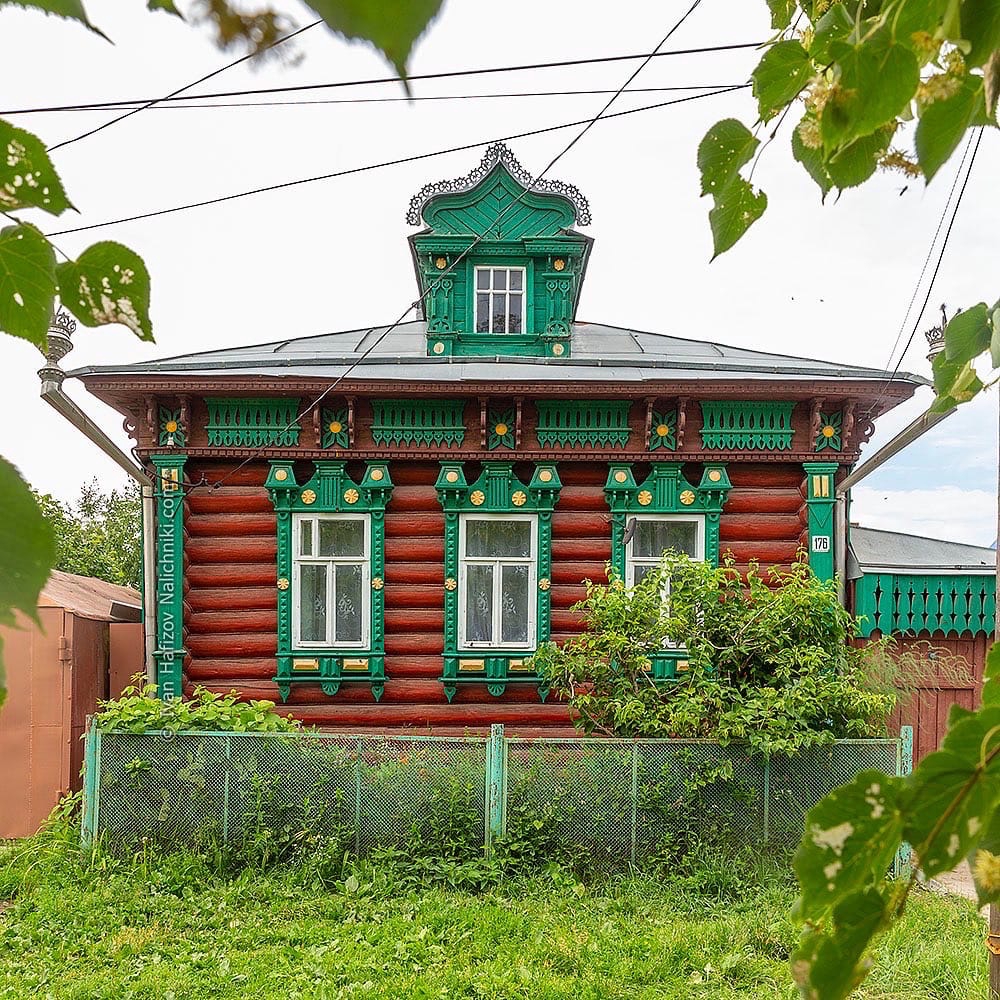
Many years later, it was this same approach that became the key to telling the story of nalichniki: piece by piece, each fragment a portal to a separate world — not a musical genre, but an architectural one, a human one, deliberately unlike all the others.
That's how the book is built — from quiet stories that rise like smoke from the chimneys of small houses all across the country. Stories with nothing to do with each other, and yet they merge into one common cloud of people's lives, from one end of the country to the other.
This, it seems to me, is the secret of Instagram — and social networks generally: swipe, and a new world is in front of you. Go further if you like, go deeper, explore, stay...
Nalichniki in that sense are a universe of universes. :)
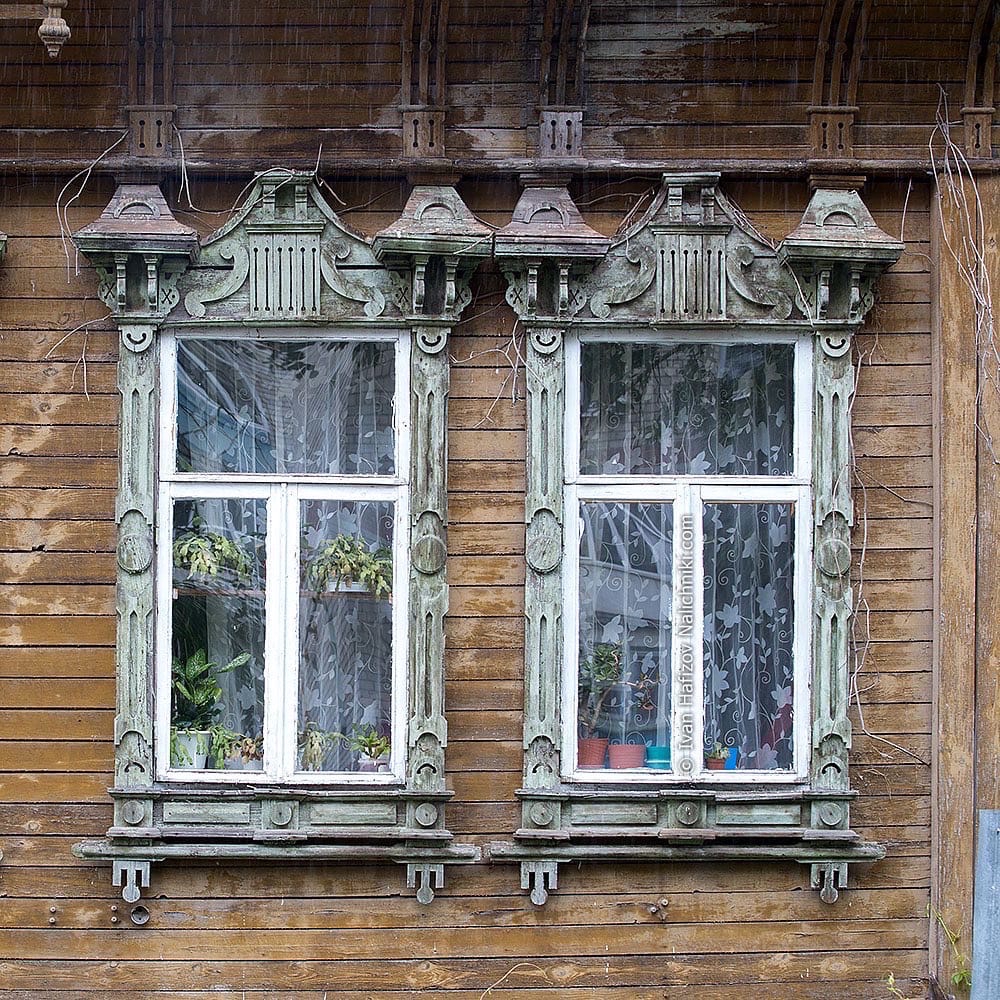
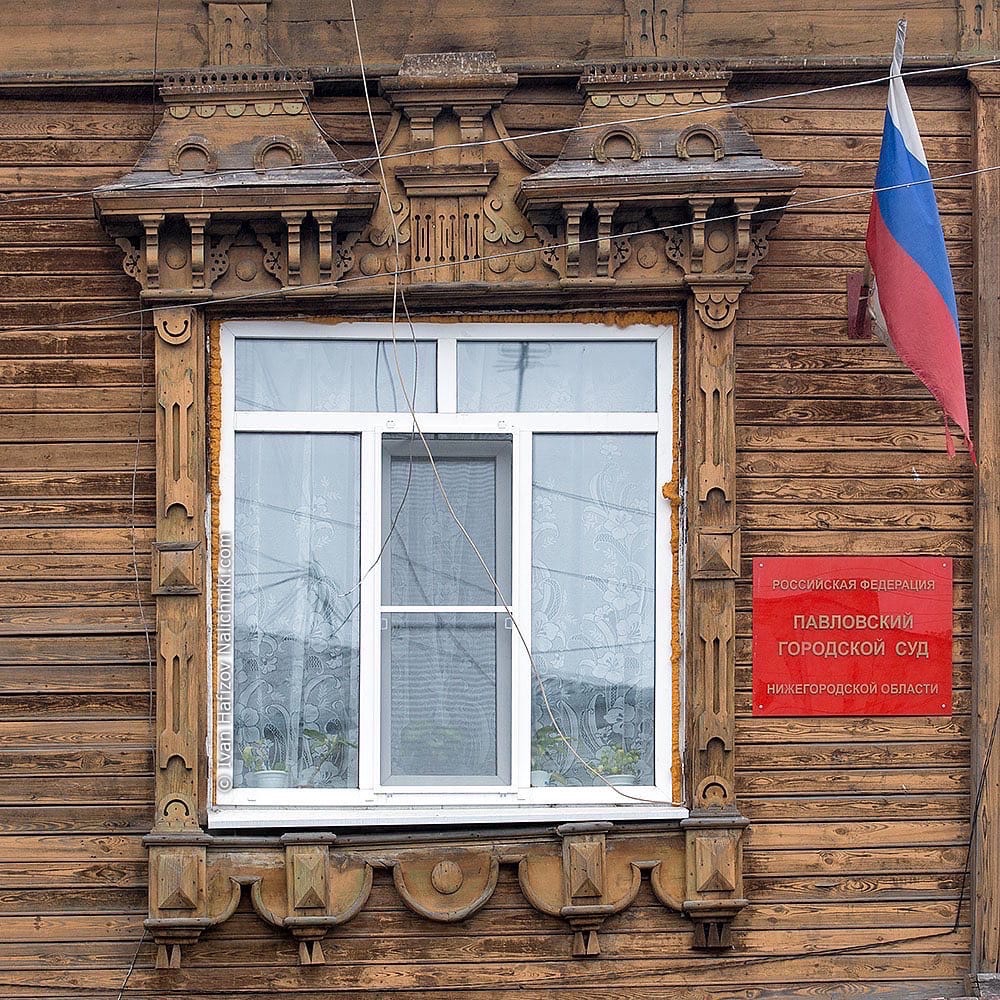
Here's more from Pavlovo, Nizhny Novgorod Oblast.
Similar to the last ones? :)