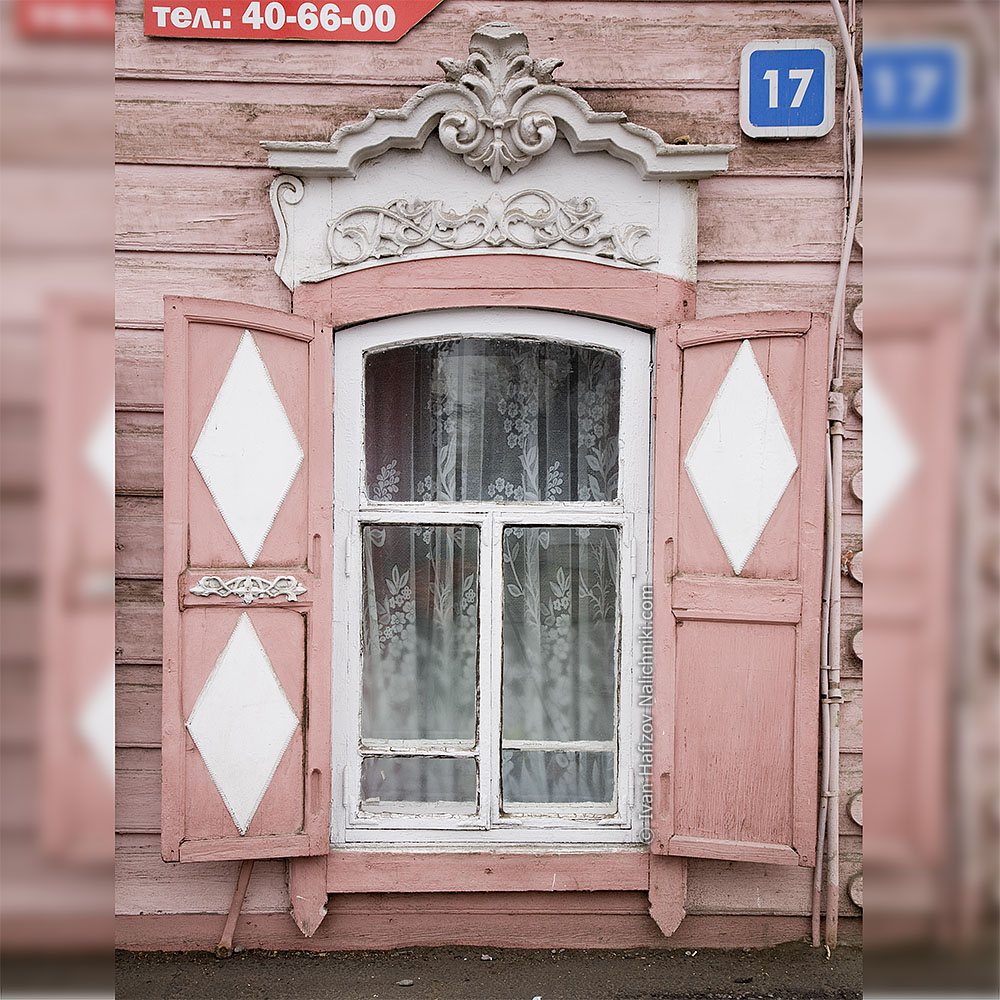
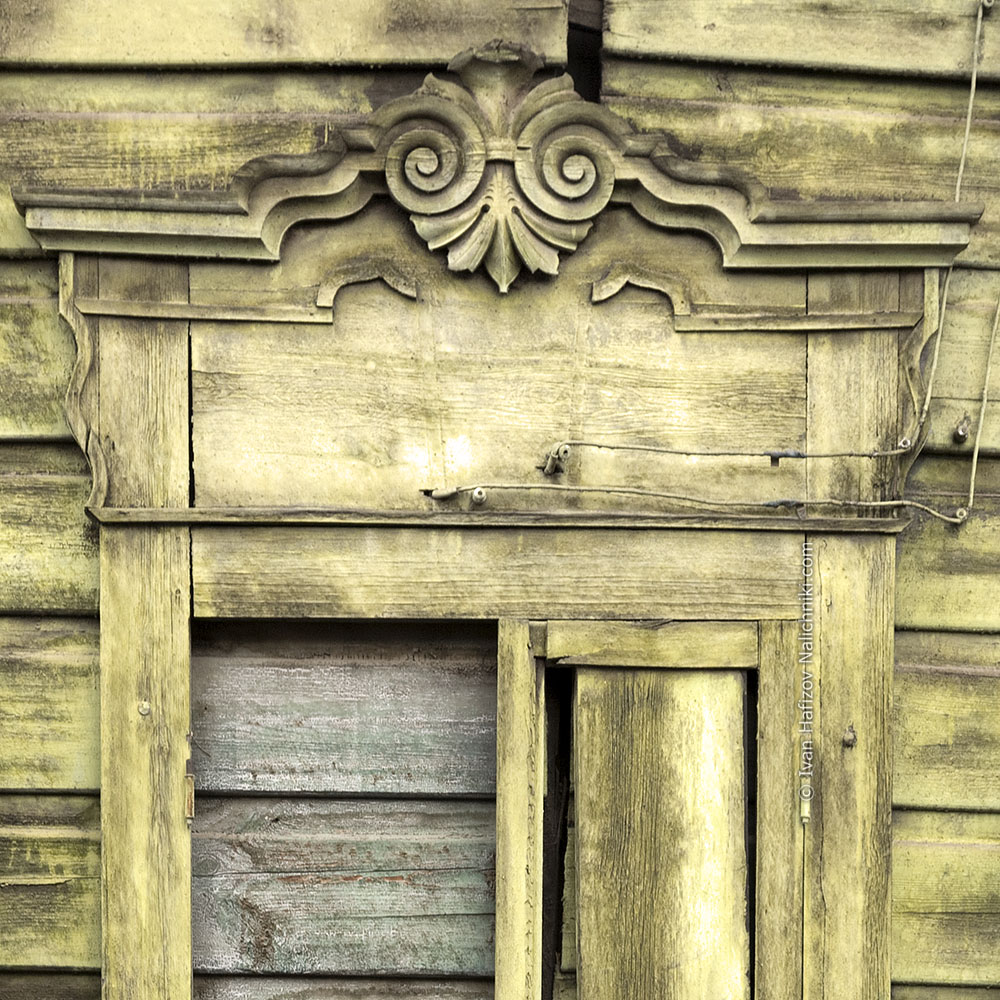
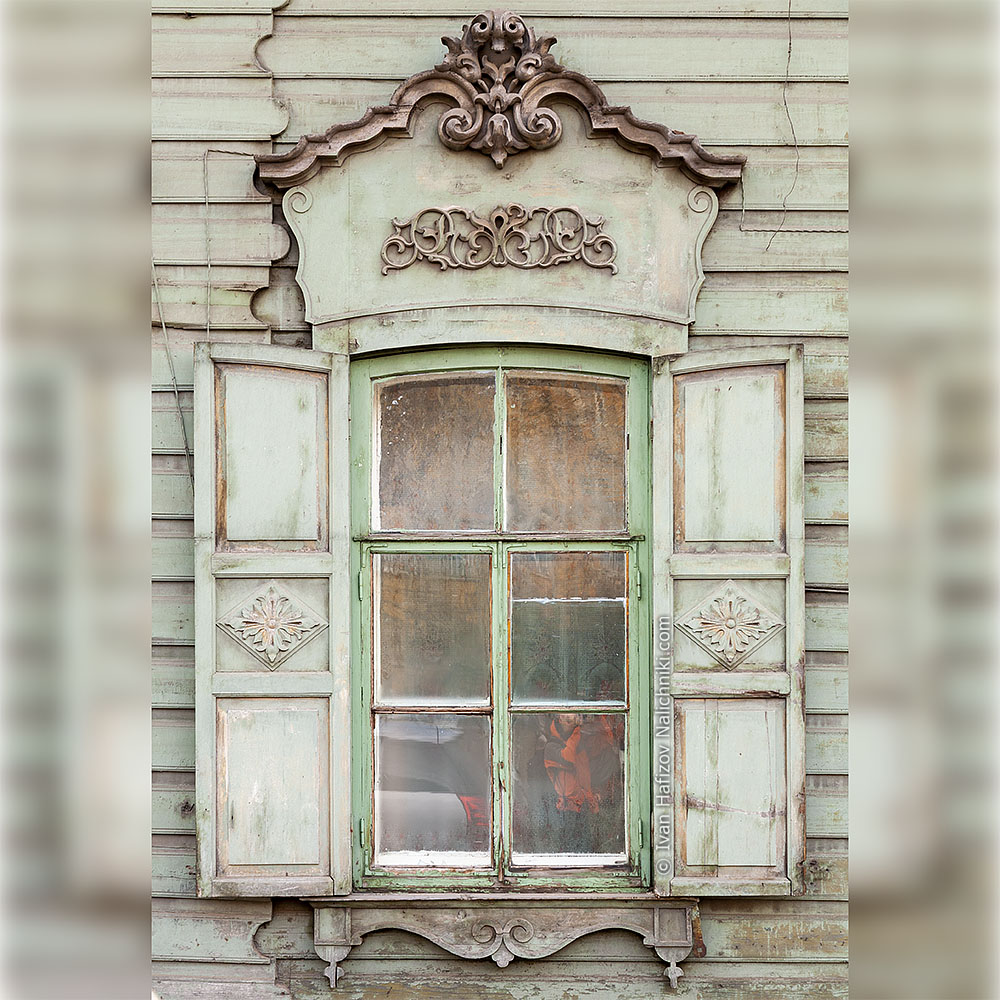
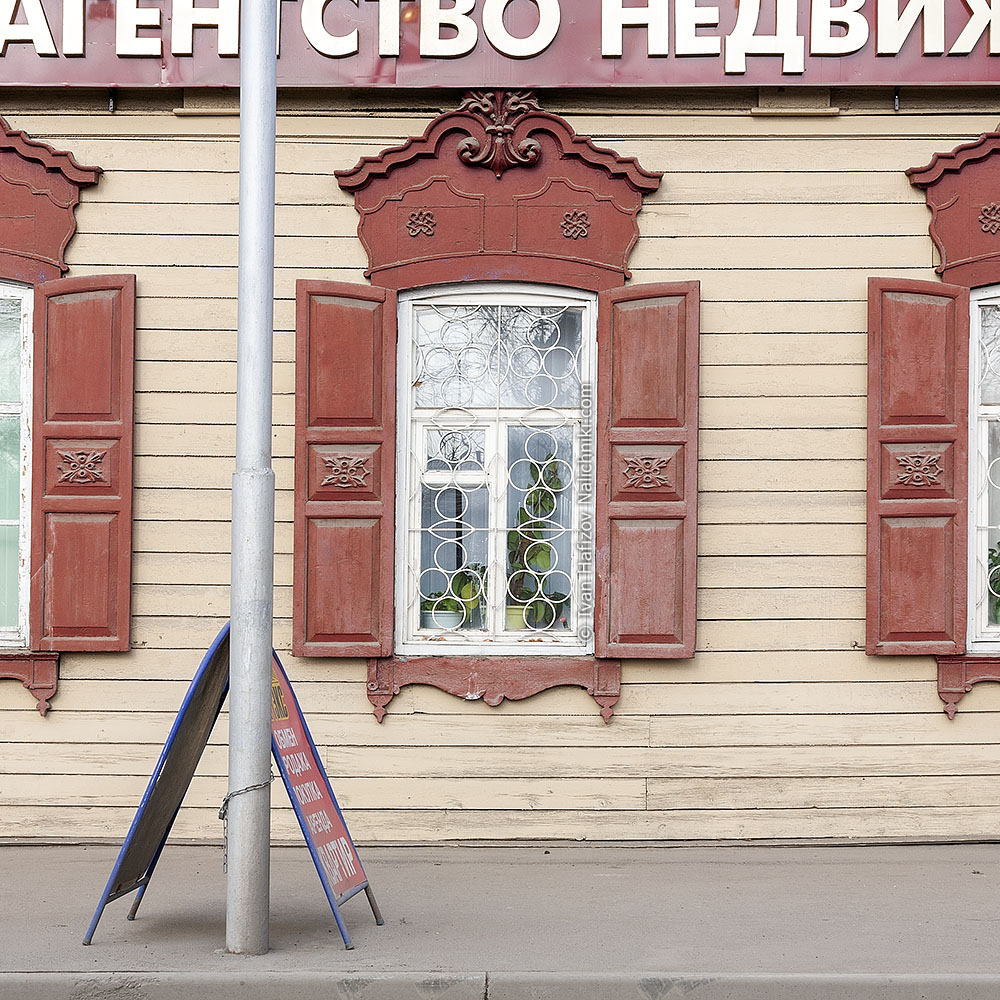
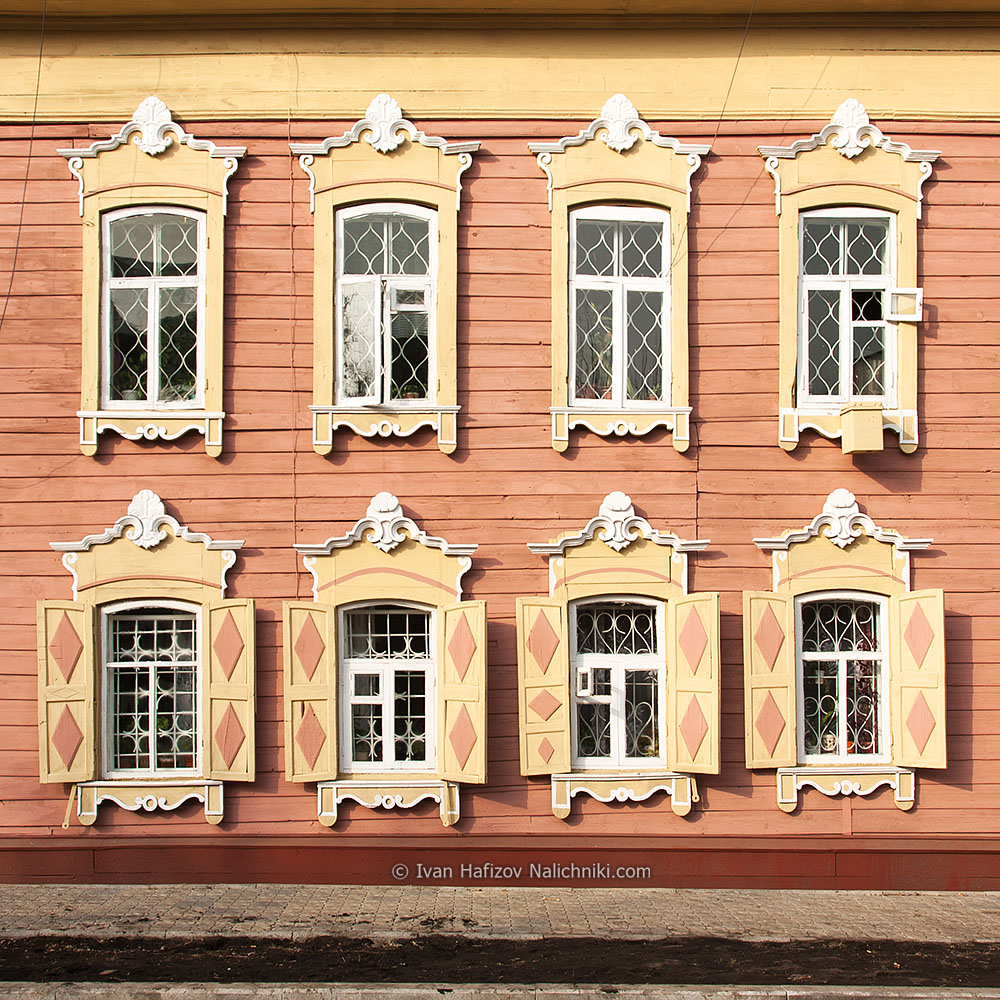
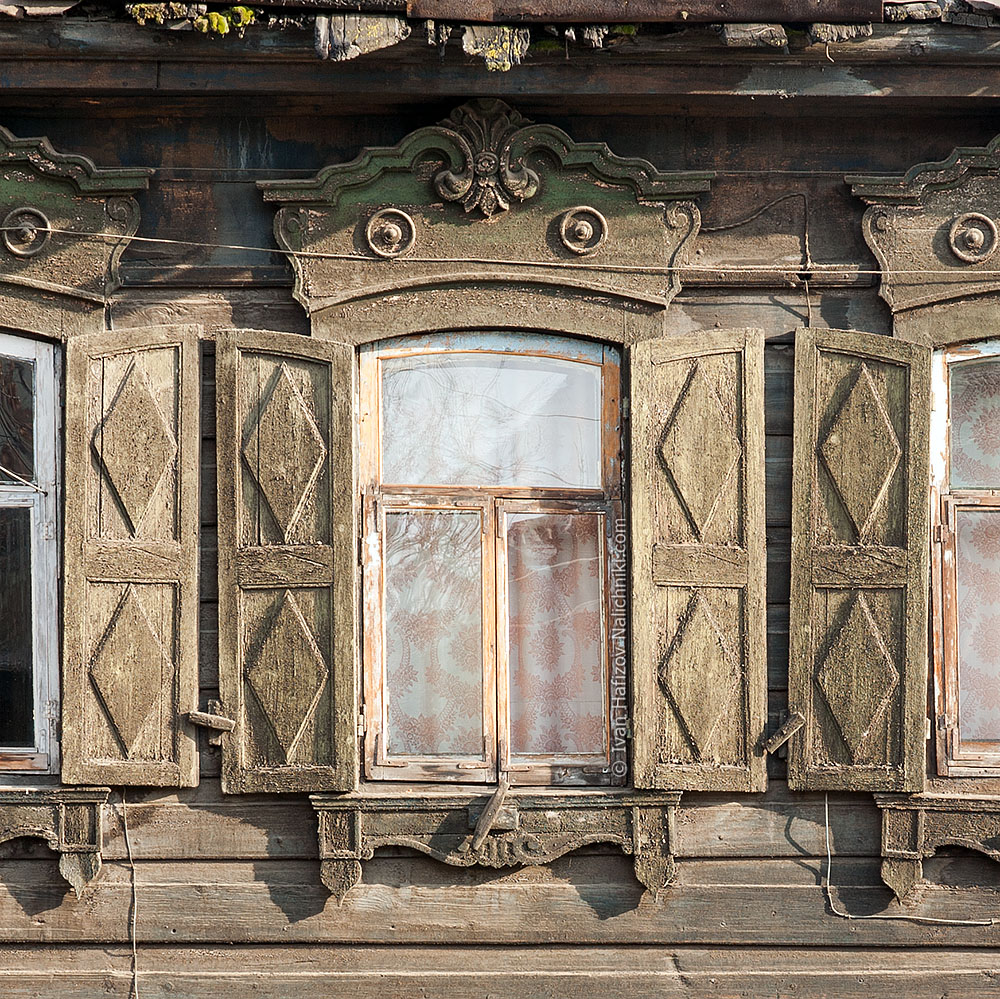
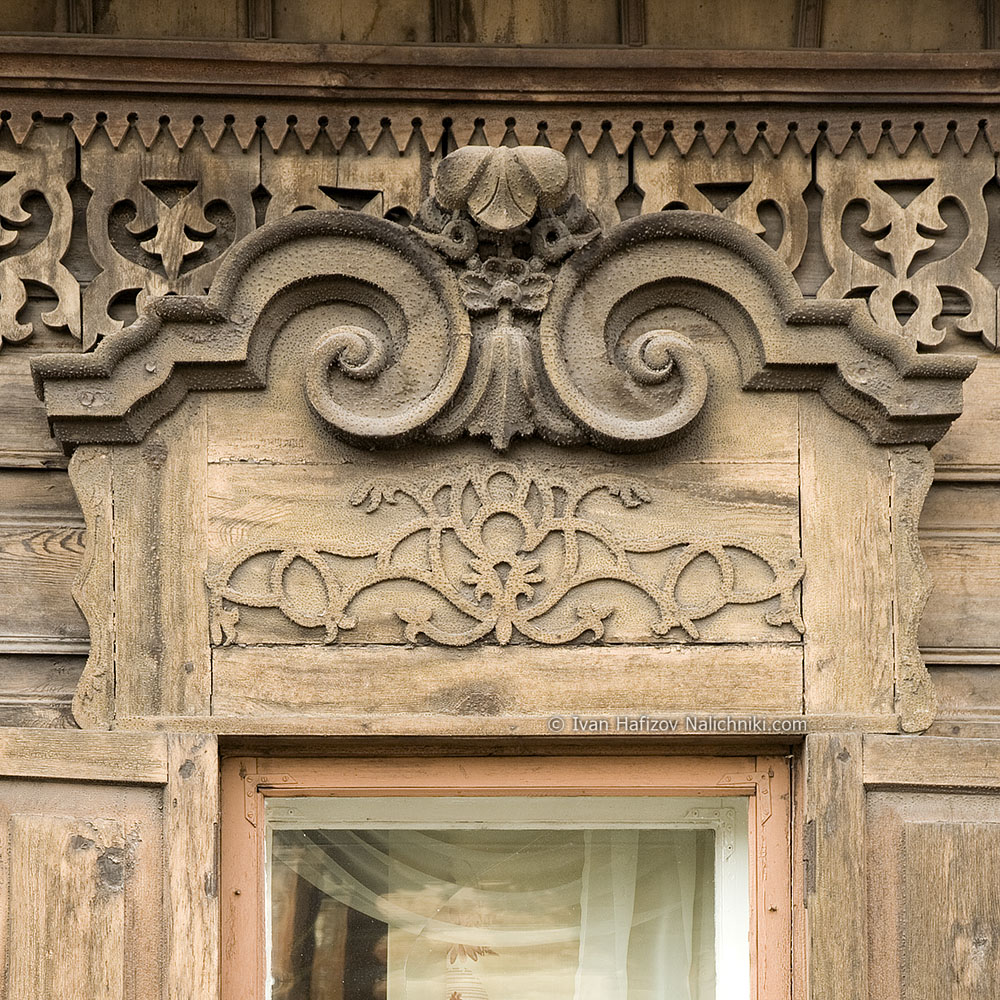
Irkutsk nalichniki are a special love of mine — a very special chapter of wooden architecture.
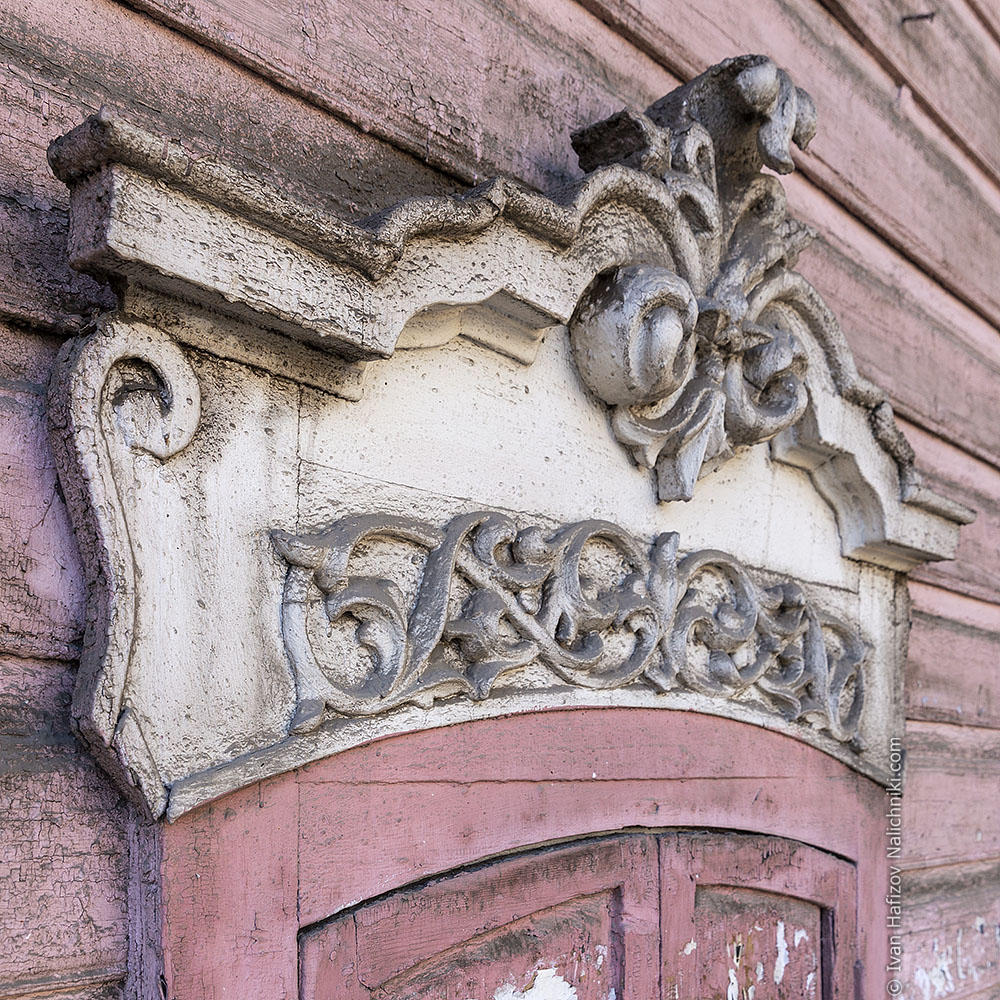
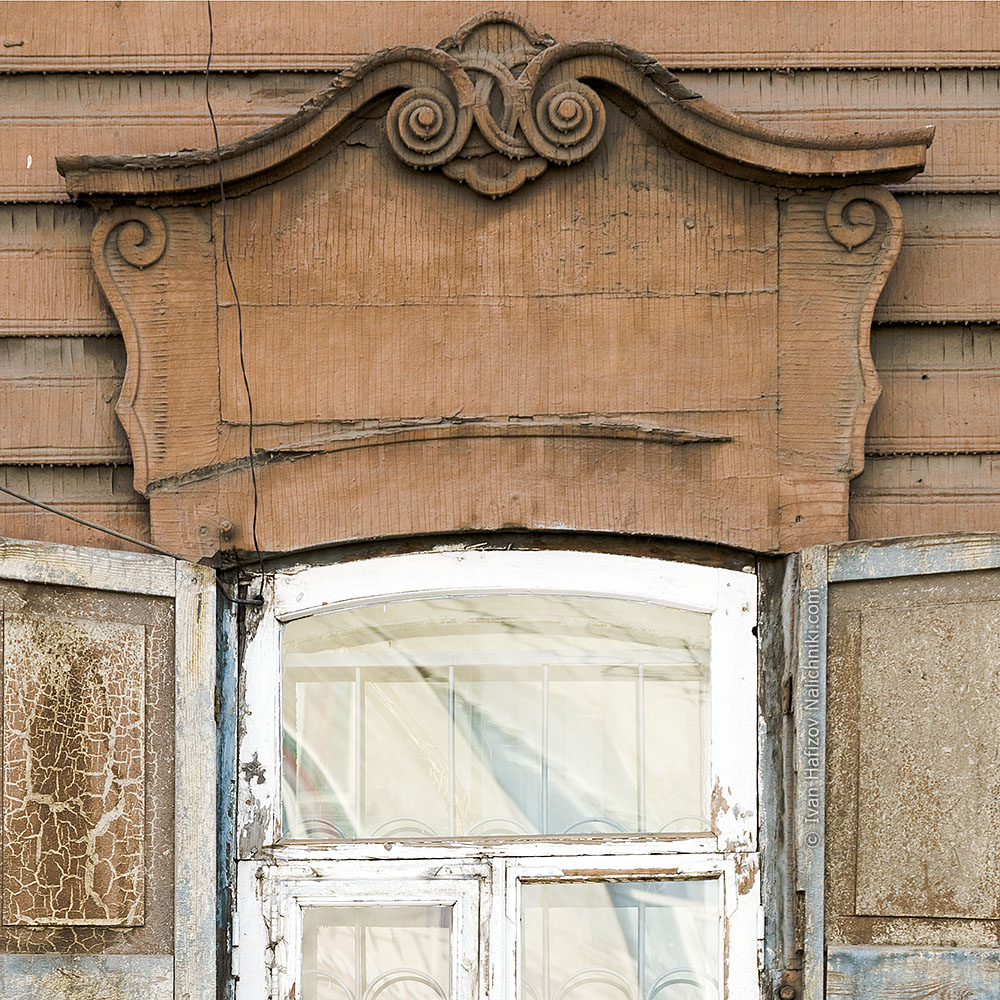
Though nalichniki in other Siberian cities are decorated in similar ways (and not only Siberia — you even find these forms in Karelia), here their shapes have undergone so much transformation that they've been worn smooth, like a stone in the surf, into something almost perfect. When I first came to Irkutsk in 2008, two things struck me above all. First: the scale. Just the ochelia — the upper panel — can be a meter tall. Second: the relief. These nalichniki look less like carvings and more like stucco work, projecting thirty centimeters out from the face of the house.
There's an interesting local theory about how these Baroque forms arrived here: in the 1860s, participants in the Polish January Uprising of 1863 were exiled to Irkutsk. And not peasants — artists, scholars, craftsmen — who played a significant role in the city's development. These Baroque decorative forms, the story goes, are their contribution. However, this is countered by an important fact: similar forms had already appeared in the 1850s, and by that time they were showing up not only in Irkutsk but across nearly all of Siberia, the Urals, and central Russia.
Also interesting: after the great fire of 1879, which burned a large part of the city, Irkutsk moved toward standardizing new construction and unifying details — including window and door dimensions. As a result, building markets began stocking ready-made goods: Nalichniki, nalichniki, applied ornaments, balusters, and more. You could simply come to the market, pick out a nalichnik, and hang it on your new house that same evening.
PS And it's also remarkable that these nalichniki always seemed to me the very essence of Irkutsk carving — surely the most common type. Then I counted: of the 182 nalichniki I've photographed in Irkutsk, only 35 are of this kind.
Now there are probably even fewer. Houses like this, as a rule, have no heritage protection...